Before pottery in the Philippines was a thing you bought, it was a thing you needed. Almost every household had a few forms, and each had a job.
The forms
The palayok is the cooking pot, round bellied and set directly over a fire. The banga stores water, tall enough to keep it cool and narrow enough at the neck to slow evaporation. The tapayan is larger again, used for fermenting and storing: vinegar, fish, rice wine.
None of these were decorative. Their shapes were arguments about heat, weight and what a person could carry.
A pot is a solved problem you can hold.
Older than the words
Clay work in the islands runs deep. The Manunggul Jar, found in the Tabon Caves at Lipuun Point in Palawan, dates to roughly 890 to 710 BC. It is a burial jar, and on its lid two figures sit in a boat, one rowing, the journey of the soul rendered in fired earth.
It is held now at the National Museum of Anthropology and listed as a national treasure. What strikes us is not only its age but its confidence. Someone made that lid knowing exactly what it meant.
Regional hands
Pottery in the Philippines is not one tradition. Communities in Ilocos and Kalinga developed their own shapes and surfaces, suited to what they cooked, stored and carried, with knowledge passed down through generations rather than schools.
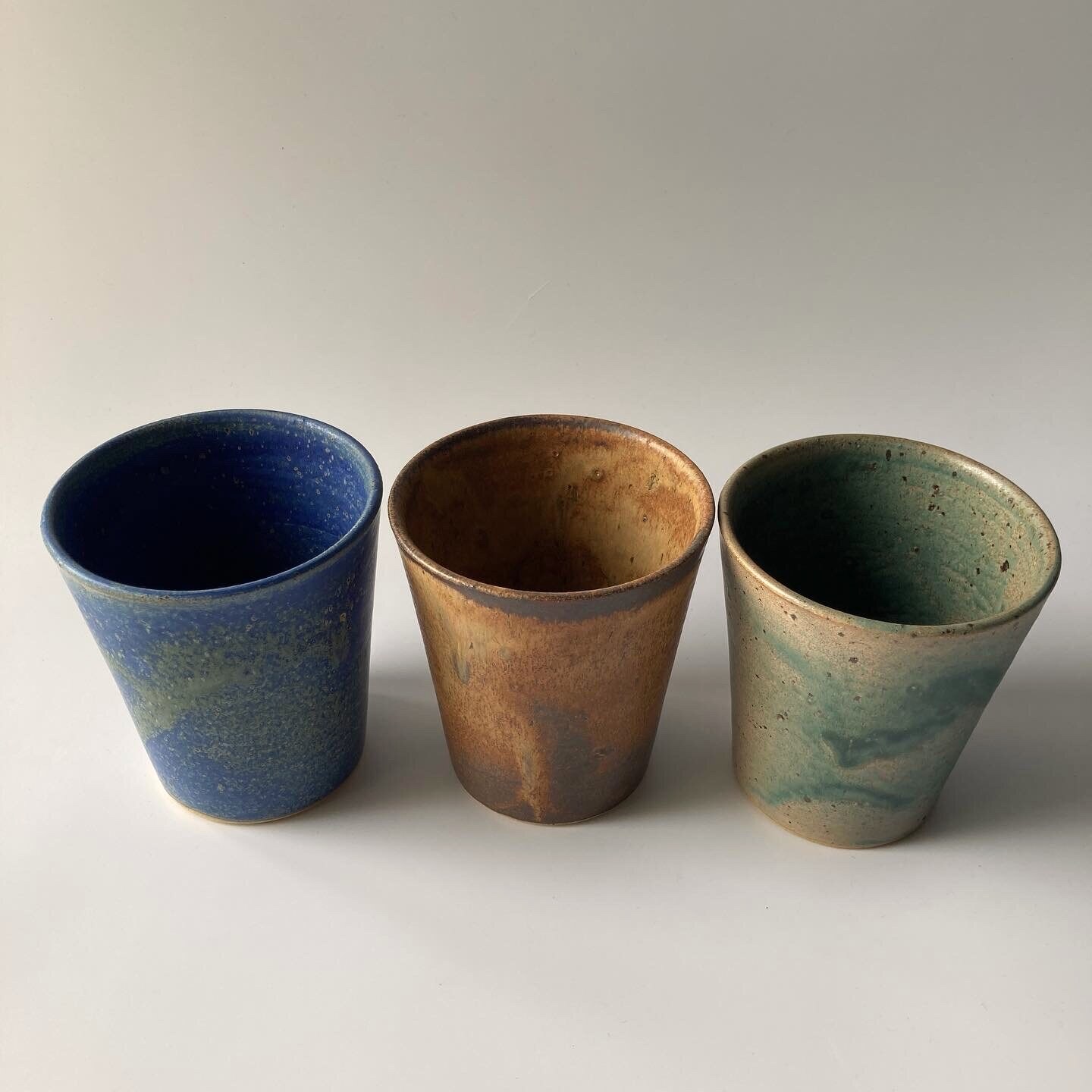
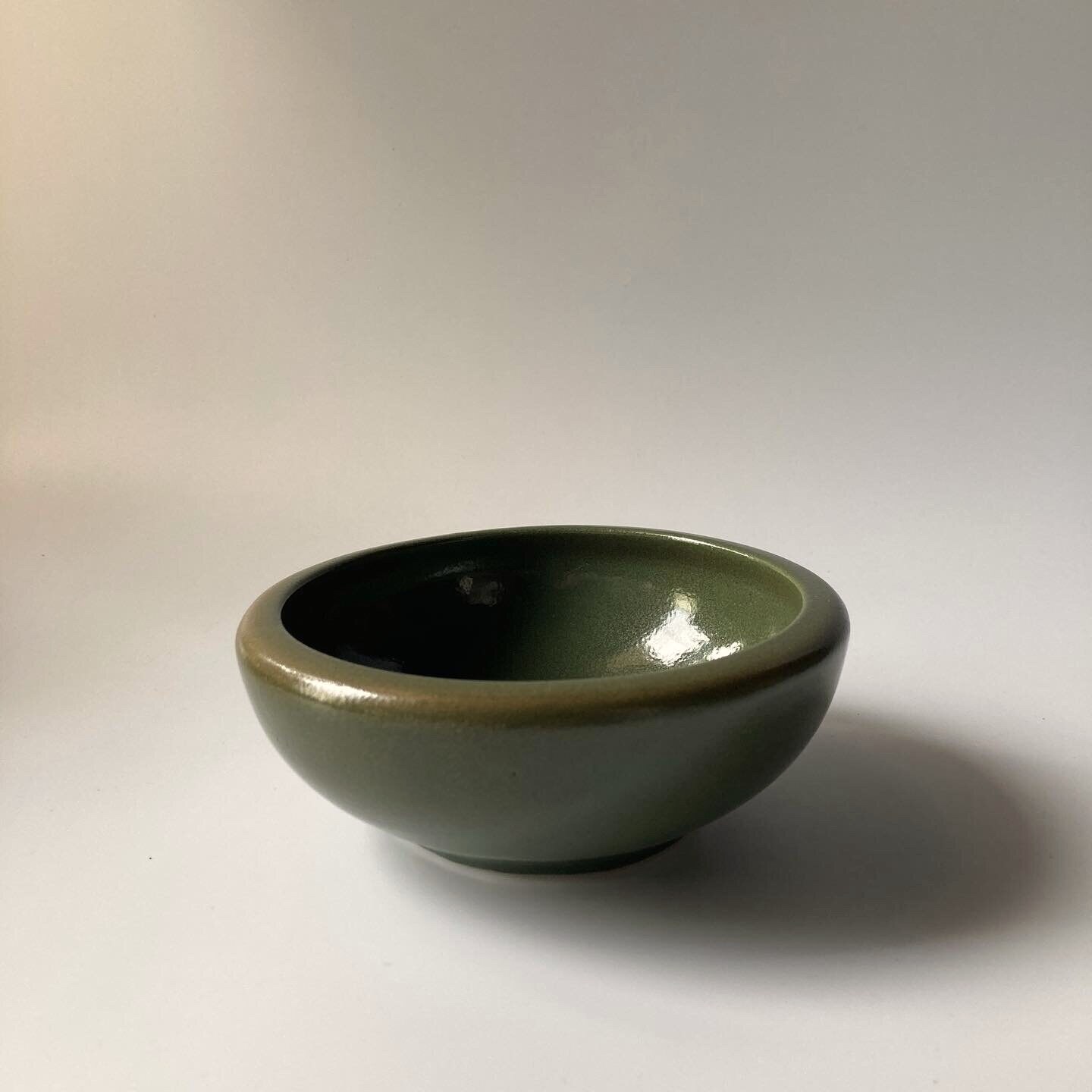
The pieces we gather are stoneware, fired higher and denser than most of this older earthenware. They are a different material with a different use. But the instinct is continuous: make the thing well, and make it for the hand.
More pieces, and the studios behind them, on Instagram.